Risk Exposure Score
- How Protected Is Your Capital in a Global Crisis?
If your country becomes unstable - what’s your plan B?
Calculate your Risk Exposure Score:
In just 90 seconds, discover how exposed your wealth is to geopolitical shocks, financial instability, and global disruptions.
/Built using the same principles applied by ultra-high-net-worth investors./
Private. Confidential. Designed for serious investors only.
Most Investors Are Not Prepared for What’s Coming.
The world is becoming increasingly unstable.
- Geopolitical tensions are rising.
- Financial systems are fragmenting.
- Capital controls are quietly expanding.
Yet most investors still operate with:
capital concentrated in one country
limited liquidity
no relocation strategy
no global backup plan
The real risk is not market volatility.
👉 The real risk is being unprepared when access disappears.
What Smart Capital Is Doing Differently?
Ultra-high-net-worth investors don’t rely on predictions.
They build resilient structures.
They ensure:
multi-jurisdictional asset allocation
global banking access
liquidity under stress
mobility across borders
This is exactly what the Risk Exposure Score is designed to evaluate.
Find Out Where You Stand — Before It Matters.
Your capital deserves more than assumptions.
What Is the Risk Exposure Score?
A proprietary assessment that analyzes your exposure across four critical dimensions:
🌍 Geo Risk
Where your capital is exposed globally
🏢 Asset Structure
How your wealth is distributed
💧 Liquidity
How fast you can access your money
✈️ Mobility
How quickly you can act if needed
In under a minute, you’ll understand where you stand — and what needs to change. What You’ll Discover:
- Your personal Risk Exposure Score (0–100)
Your vulnerability level in a crisis scenario
The weakest points in your current structure
Strategic recommendations to strengthen your position
👉 Most investors have never seen their risk this clearly.
How It Works
- Answer 12 quick questions
Get your Risk Exposure Score
Receive tailored insights
(Optional) Unlock your personalized strategy
⏱ Takes less than 90 seconds
How Protected Is Your
Capital in a Crisis?
Answer 12 questions in under 90 seconds. Receive your personalised Risk Exposure Score — an institutional-grade assessment of how vulnerable your wealth is to geopolitical, financial, and structural shocks.
A specialist from Virt Realty will be in touch shortly.
If your score reveals exposure, the next step is clarity.
/Used in private investor advisory/
We work with a select number of investors to:
restructure global portfolios
secure capital across jurisdictions
design crisis-resilient strategies
👉 Request a Private Strategy Session
Confidential & discreet
Designed for high-value investors
No public data sharing
How the Ultra-Wealthy Actually Hedge Their Risks and prepare for Black Swan events:
1) Geographic Diversification (the most basic, yet critical)
They never keep everything in a single jurisdiction—even if it’s the United Arab Emirates.
Typical structure:
- Middle East (liquidity, transactions, growth) — Dubai
- Europe — Switzerland / United Kingdom
- Asia — Singapore
- sometimes the U.S. — United States
📌 The point:
if a region is “temporarily unstable” → capital and life continue elsewhere.
2) “Second residency / passport strategy”
Almost everyone has:
- 2–4 residencies
- 1–2 alternative citizenships
Why this is important:
👉 In the event of a crisis, borders close
👉 But not for residents/citizens
This provides:
- quick exit
- access to the banking system
- legal status in another country
3) Asset allocation by type
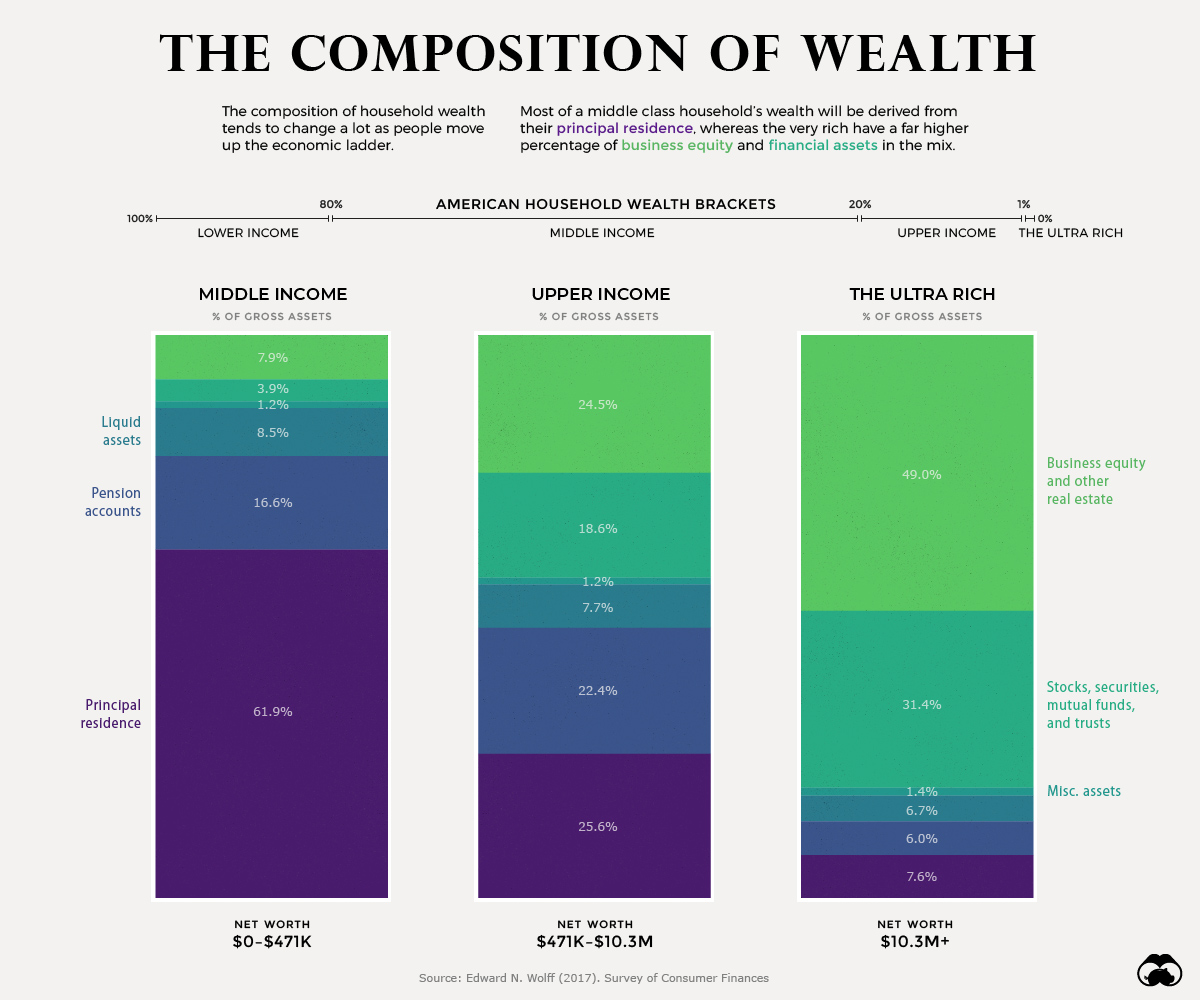
They don’t keep everything in real estate.
The structure is usually as follows:
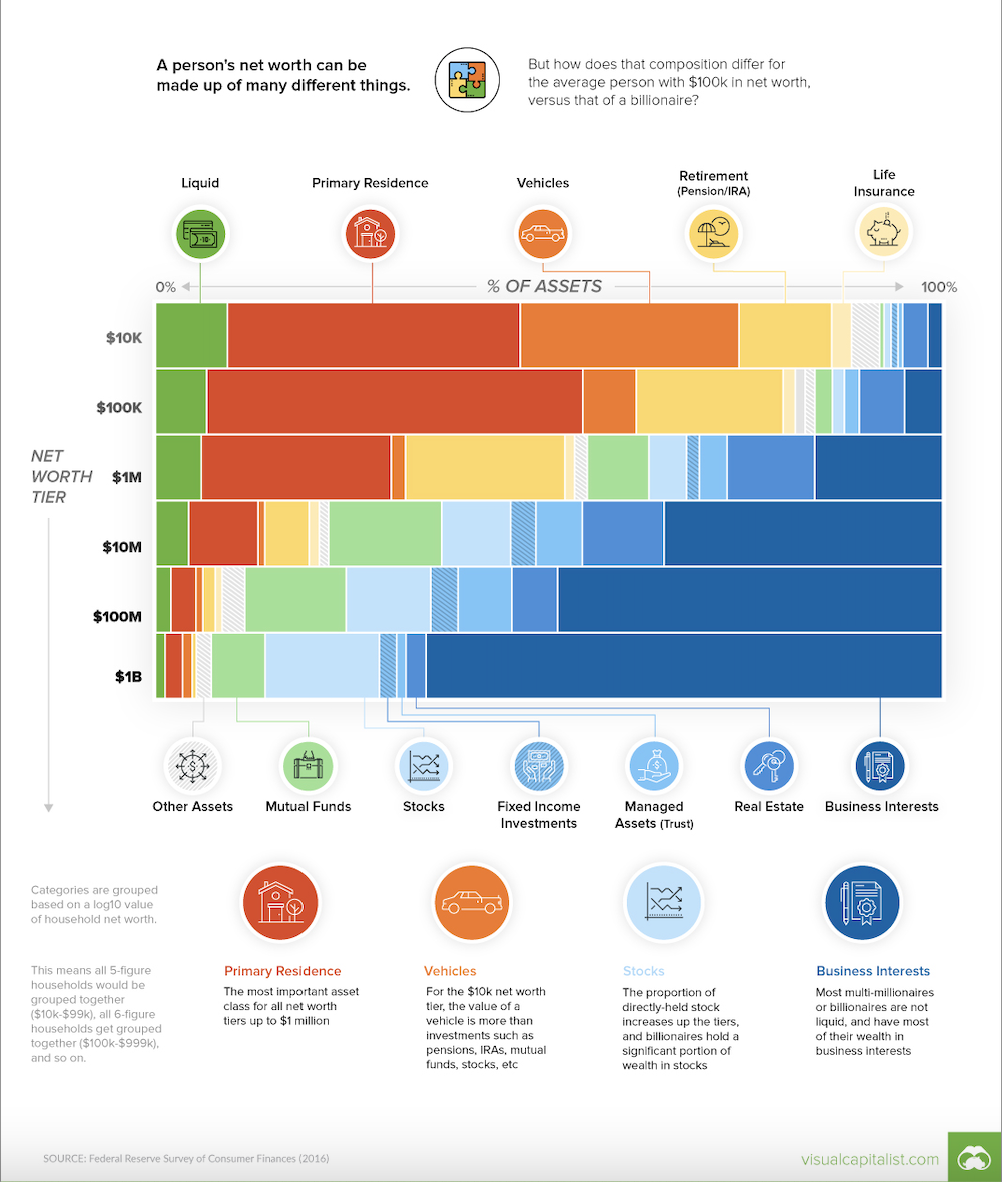
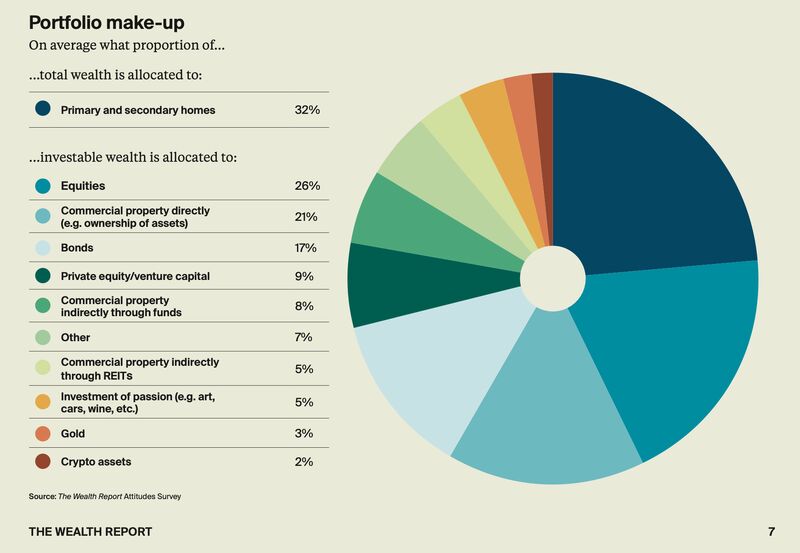
- 30–50% — real estate (often in Dubai)
- 20–40% — liquid assets (stocks, funds)
- 10–20% — private equity / deals
- 5–15% — “safety net assets”
“Safety net assets”:
- gold
- dollar-denominated instruments
- sometimes crypto
📌 Logic:
if a shock occurs → liquid assets provide flexibility.
4) Banking diversification
Not just one bank. Not even just one country.
Typically:
- a bank in the United Arab Emirates
- a bank in Switzerland
- a bank in Singapore
👉 if there are restrictions somewhere → money is accessible elsewhere.
5) Insurance (but not as people think)
Important:
- Traditional insurance provides almost no coverage for nuclear risks
BUT the following are used:
- political risk insurance (for businesses)
- asset protection structures (trusts, funds)
- relocation/evacuation insurance (a very niche product)
6) Evacuation plan (yes, almost all UHNW individuals have one)
This isn’t “panic”; it’s a protocol.
Typically includes:
- pre-selected destinations (e.g.,- Switzerland / Singapore)
- access to private aviation
- prepared documents
- immediate liquidity